A natural approach to insomnia: what Chinese medicine can really offer
Last updated: June 15, 2026 · 4 min read
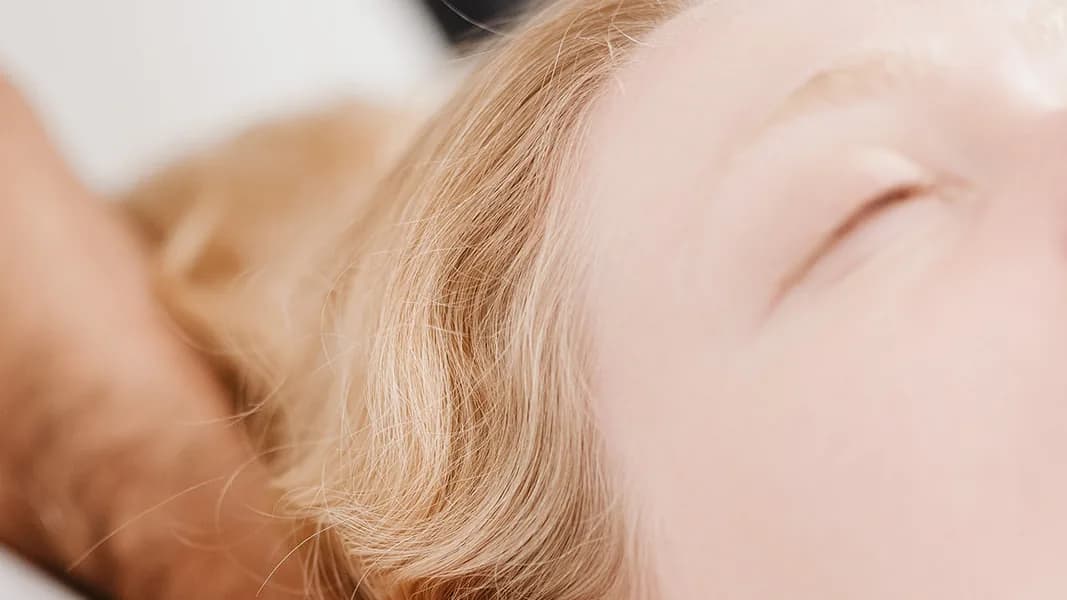
A natural approach to insomnia begins with a simple understanding: sleep is not a button you press. It arrives when the body and nervous system feel safe enough to let go. When there is stress, strain, pain, racing thoughts or a sense of inner alertness, the body can stay awake even when it's tired.
Acupuncture and herbal medicine don't try to force the body to sleep. They work more gently: calming the system, releasing stagnation, easing inner strain, and helping the body return to a state where sleep can happen more naturally.
In Chinese medicine we don't look only at the hour you fell asleep or woke up, but at the full picture: sleep quality, stress level, digestion, heat or cold in the body, emotional load and how you feel through the day. The goal is to understand why the body can't let go, and to work from there.
So why does sleep break down, what helps it return, and where does Chinese medicine come into the picture?
When does a 'rough night' become insomnia?
The accepted definition talks about difficulty falling asleep, frequent waking or waking too early, at least three nights a week over three months, with daytime function affected. But anyone living it doesn't need definitions. They know the glance at the clock at three in the morning, and the grim arithmetic: if I fall asleep now, I'll have four hours left.
The truly important distinction is between a passing episode, tied to a stressful period and leaving with it, and a pattern that has taken root and stays even after the original cause is gone. A pattern like that is treated differently.
The vicious cycle: when the effort to fall asleep is the problem
Sleep flees from whoever chases it. After a few bad nights, the bed itself starts to trigger alertness: the body learns this is a place where you fight, not rest. In research it's called hyperarousal. To patients it sounds simpler: the head won't switch off.
Any serious treatment for insomnia has to break this cycle, not just put you to sleep for one evening. And that's exactly where an approach that calms the whole system meets the problem at eye level.
How does Chinese medicine look at sleep?
In the Chinese view, good sleep requires that the consciousness, what the tradition calls 'shen', can sink inward at night. When there's internal heat, racing thoughts or long-standing load, it stays awake instead of settling. Behind the metaphor hides a completely practical diagnosis: insomnia of difficulty falling asleep is a different pattern from insomnia of waking at four in the morning, and each pattern gets different acupuncture points and herbs from me.
That's the difference between a personal treatment and an off-the-shelf solution. Two people with 'the same problem' will get a different treatment from me, because their nights are broken in different places.
What do we actually do in the clinic?
Gentle acupuncture, usually lying in a relaxed position that in itself teaches the body again what rest feels like. For suitable patients I add an evening herbal formula, and in the cold season sometimes also heat work with Onnetsu. And alongside, always, work on the sleep habits themselves.
And one more thing I tell every patient: cognitive behavioral therapy for insomnia (CBT-I) is the treatment with the strongest research base today. Anyone who can add it is warmly welcome. The approaches complement each other, they don't compete.
A case from the clinic
A 58-year-old engineer came in after two years of waking regularly at three in the morning, waking that began during a stressful period at work and stayed long after it. We combined weekly acupuncture, an evening herbal formula, and one strict rule: the bed is for sleep only, and whoever is awake at three gets up to an armchair with dim light until the tiredness returns.
After about two months he described stretches of five to six hours of sleep, and above all he stopped fearing the night. We tapered the formula gradually. With other patients the road is longer or different, and sometimes it goes first through a sleep doctor.
Habits that work, without the lecturing
A fixed wake-up time is the anchor of the whole system, more important than the hour you lie down. Morning sunlight sets the biological clock better than any app. Last coffee in the early afternoon. And dimmed home lighting in the evening, because strong light is what pushes back the sleep clock, more than the screen itself.
And watch out for one sign that calls for an entirely different direction: loud snoring with pauses in breathing, extreme daytime sleepiness, or waking with headaches. These are possible signs of sleep apnea, a condition that requires a medical diagnosis in a sleep lab, not acupuncture.
Frequently Asked Questions
- Acupuncture or CBT-I, which is better?
- Usually it's not 'either/or' but 'both'. CBT-I is a research-based first line, and acupuncture and herbs can accompany it or stand beside it when it isn't available or isn't enough. The goal is one, and the approaches don't compete with each other.
- Do herbs for sleep create dependence?
- The formulas I work with don't act like a sleeping pill and don't create that kind of dependence. They're personalized and updated along the way, and the intention is to taper off them gradually as sleep stabilizes.
- I take a sleeping medication. Can I add acupuncture?
- Usually yes, but the medication isn't touched without the doctor who prescribed it. If a reduction comes, it's done gradually and with medical supervision. In the intake we'll go over everything you take together, including supplements.
- When do you need a sleep lab test?
- When sleep apnea is suspected: loud snoring, breathing pauses your partner notices, extreme daytime sleepiness. And also when the insomnia resists every treatment. The referral is made through your family doctor.
Further reading
Related treatment
More articles
Acupuncture for lower back pain: what can you expect from treatment?
How acupuncture helps with lower back pain, what the research actually shows, what treatment looks like at a Netanya clinic, and what to do at home today.
May 4, 2026 · 8 min read
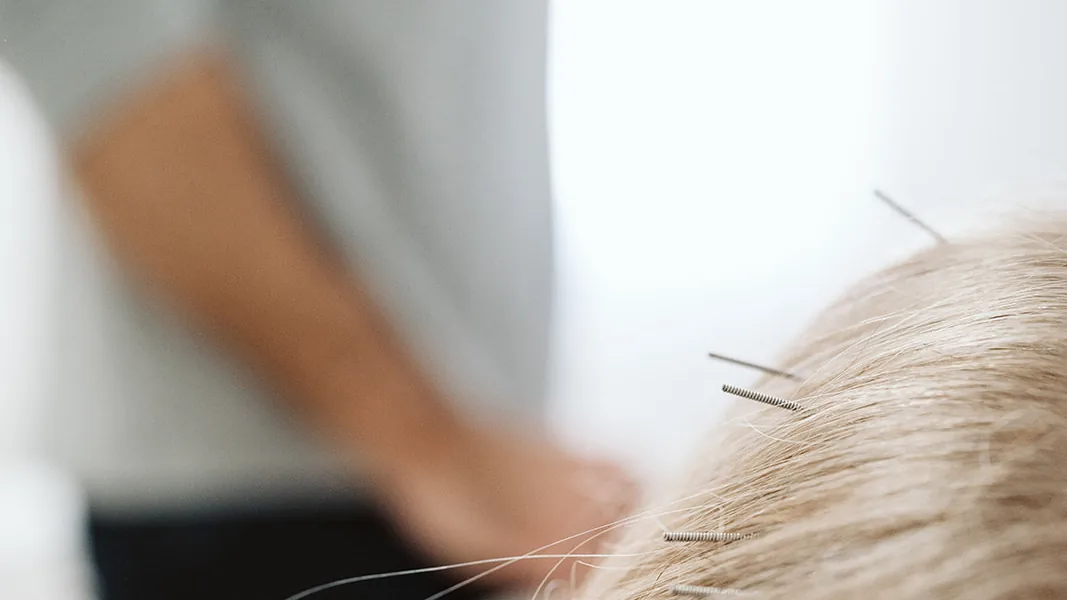
Acupuncture for migraine: why prevention beats chasing attacks
What happens in the brain during a migraine, what the Cochrane review found on preventive acupuncture, and the home steps that lower attack frequency.
May 18, 2026 · 4 min read
To book at the Netanya clinic, send a WhatsApp message or call.
