Shiatsu in Netanya
Ron Ben Bachar · Chinese medicine & acupuncture practitioner · Reidman College graduate · 8+ years of experience
Traditional Japanese treatment using pressure along the channels of Chinese medicine, for deep relaxation and balance
- Excellent for releasing tension, pain and stress
- Works along the body's energy channels
- Helps with physical and mental balance
- A long-established Japanese method
Shiatsu is a Japanese touch therapy done through your clothes, with no oil and no needles. I work with thumb and palm pressure along the same channels used in Chinese medicine, together with gentle stretches and joint mobilization.
In my clinic shiatsu works both as a treatment on its own and as a complement to acupuncture, mostly around muscle tension, mental strain and sleep that has lost its rhythm. And for anyone who doesn't connect with needles, it's an excellent way to get the depth of Chinese medicine through touch alone.
What's the difference between shiatsu and a regular massage?
A classic massage works mainly on the muscle tissue itself. Shiatsu works on points and on channels, the same channels that guide me in acupuncture, and its pressure is more static and focused than long gliding strokes. You feel the difference in the first few minutes: less spa pampering, more precise work that changes the body's tone.
There's another difference, a completely practical one: in shiatsu you stay dressed. For anyone who finds an oil massage too exposing, this is a far more comfortable option.
What does a shiatsu session look like with me?
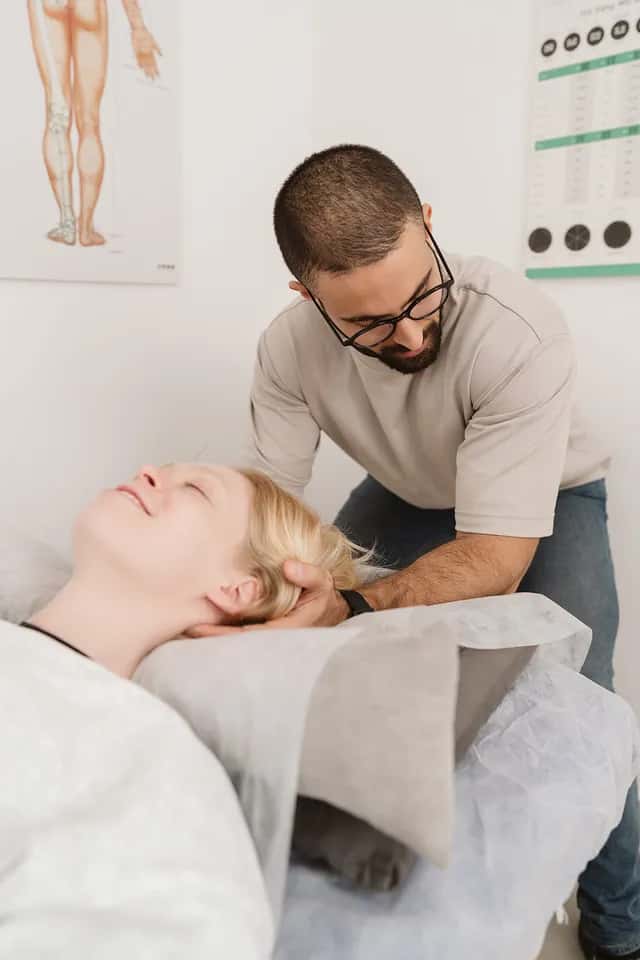
After a short intake you lie on the treatment bed in comfortable clothes. I work slowly, searching with my hands for the areas that are holding tension, and matching the depth of pressure to your response. Some people fall asleep after ten minutes, and some talk the whole way through. Both get an equally good treatment.
When do I specifically recommend shiatsu?
When the main issue is tension. Shoulders that climb toward your ears in front of the computer, a clenched jaw, shallow sleep that doesn't refresh. My background in sports therapy taught me to recognize muscle load patterns, and that knowledge serves me in shiatsu exactly as it does in acupuncture: knowing where to press, in which direction, and how deep.
How do you prepare for the treatment?
Very simple: come in comfortable, flexible clothing, ideally not jeans. It's best not to arrive on too full a stomach, and afterward to drink water and give the body a few minutes before heading back into the rush of the day. Some patients feel a pleasant tiredness the following evening, and that's a natural part of the process.
If you have a complex medical condition, a fresh injury or you're pregnant, tell me in advance. We adapt the treatment; we don't necessarily give it up.
A case from the clinic
A project manager in her forties came in with neck and shoulder pain that returned at the end of every quarter, right in reporting season. We combined focused shiatsu on the trapezius muscles with a short breathing exercise to do at home. After a few weeks she told me the pain no longer woke her at night. Not magic, just consistent work on a pattern her body knew all too well.
Who is the treatment for?
- Back, neck and shoulder pain
- Muscle strain after sports activity
- Stress, anxiety and sleep disorders
- Headaches and migraines
- Stress-related digestive issues (constipation, bloating)
- General fatigue and persistent low energy
- Movement rehabilitation after minor injuries or repetitive strain
From patient reviews
Ron is a very professional therapist with a unique and pleasant approach. Works with a very effective method for treating pain and getting quick results. Indeed, I saw results from the first treatments.