YNSA Scalp Acupuncture in Netanya
Ron Ben Bachar · Chinese medicine & acupuncture practitioner · Reidman College graduate · 8+ years of experience
Japanese scalp acupuncture focused on points on the head, especially suited to working with pain and neurological conditions
- Improves mobility and eases pain in different areas
- Used alongside neurological conditions
- Quick to respond, with less painful needling
- Each area of the scalp maps to a different part of the body, according to the method
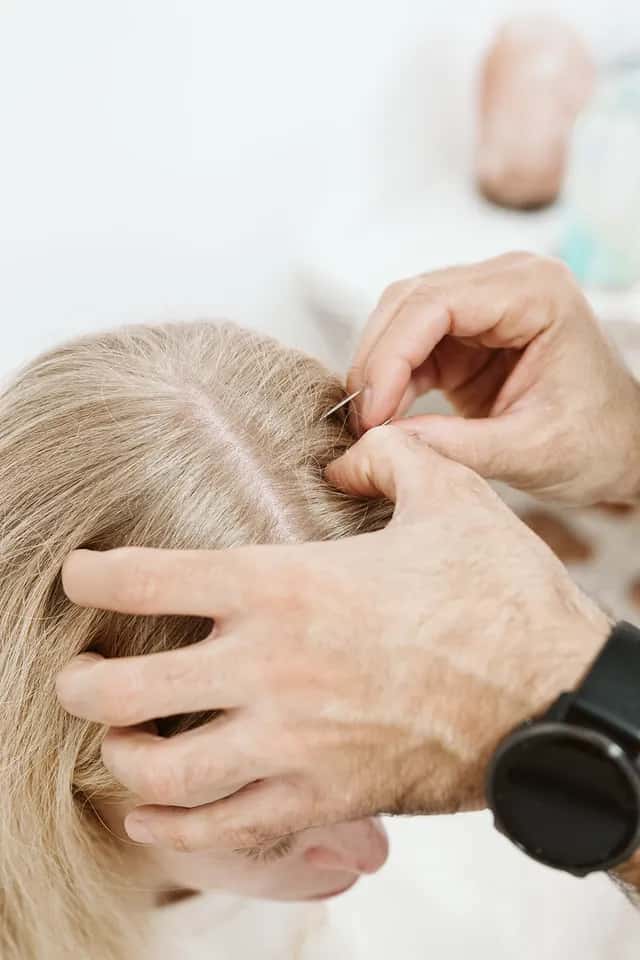
YNSA is Japanese scalp acupuncture: a method where the entire treatment concentrates on tiny points on the head, a kind of miniature map of the body. It was developed by Dr. Toshikatsu Yamamoto in Japan in the 1970s, and today it's taught around the world, mostly around pain and neurological rehabilitation.
What drew me to it is the immediate feedback. We needle a point on the scalp and check right away: did the range of motion improve? Did the pain shift? When both of us feel the answer in the same minute, it's easy to build trust in the process.
How does needling the head affect the back?
The scalp is rich in nerve supply and close to the brain, and according to the method's map, each area on it represents a different part of the body: spine, shoulder, knee. A point that's tender to the touch shows me where to work. The full explanation of the mechanism is still being researched, but I see the effect on muscle tone and on pain in the clinic again and again, sometimes within minutes.
Who is YNSA especially suited for?
Worldwide, the method's classic audience is people with neurological conditions: after a stroke, with numbness or nerve pain. With me it's also used a lot for complex neck and back pain, and for patients who find it hard to lie down for long, because the treatment can be received seated and fully clothed.
What does a YNSA session look like with me?
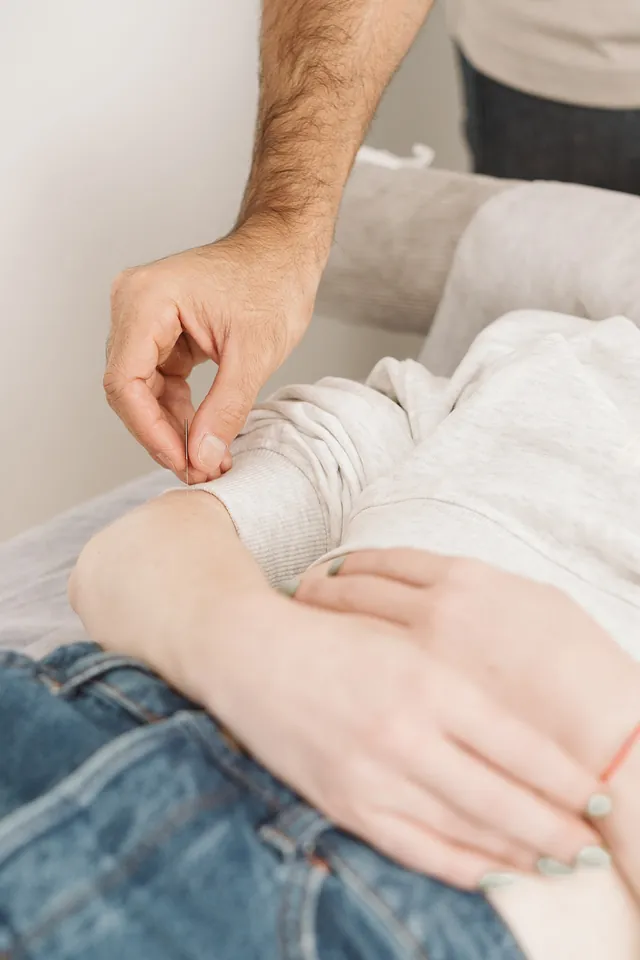
I palpate the scalp and the neck, locate the tender points, and needle gently to a depth of just a few millimeters. Then comes the part I love most: I ask you to move the painful area. When the choice is right, the change is felt immediately. When it isn't, we look together for a more precise point.
Does it suit people without a neurological problem too?
Absolutely. In my clinic YNSA is often used as a focused add-on within a regular acupuncture treatment: a few points on the scalp that help open up range of motion in the neck or ease a headache, alongside the work on the rest of the body. It's also a convenient option for someone who comes on a lunch break and wants a short, focused treatment while seated.
A case from the clinic
A 67-year-old woman came in two months after a mild stroke, with numbness and heaviness in her left hand, alongside her neurological follow-up at the health fund. We worked with YNSA once a week. Gradually she described a return of faint sensation in her fingers, and her physiotherapist noted better cooperation from the hand in practice. My treatment supported the rehabilitation. It didn't replace it, and that's exactly how it should be.
Who is the treatment for?
- Support during rehabilitation after a stroke or nerve injury, alongside medical care
- Chronic back, neck and joint pain
- Recurring migraines and headaches
- Arthritis and osteoarthritis
- Numbness, reduced sensation or nerve pain in limbs
- Sleep disorders and prolonged mental stress
From patient reviews
I came to Ron a bit skeptical, afraid of acupuncture and with limited understanding of the treatment's essence. The connection with Ron was immediate, and there was a feeling of listening and understanding on his part as a therapist.