
When your stomach will not settle: a Chinese medicine view of digestive symptoms
Last updated: August 15, 2026 · 4 min read
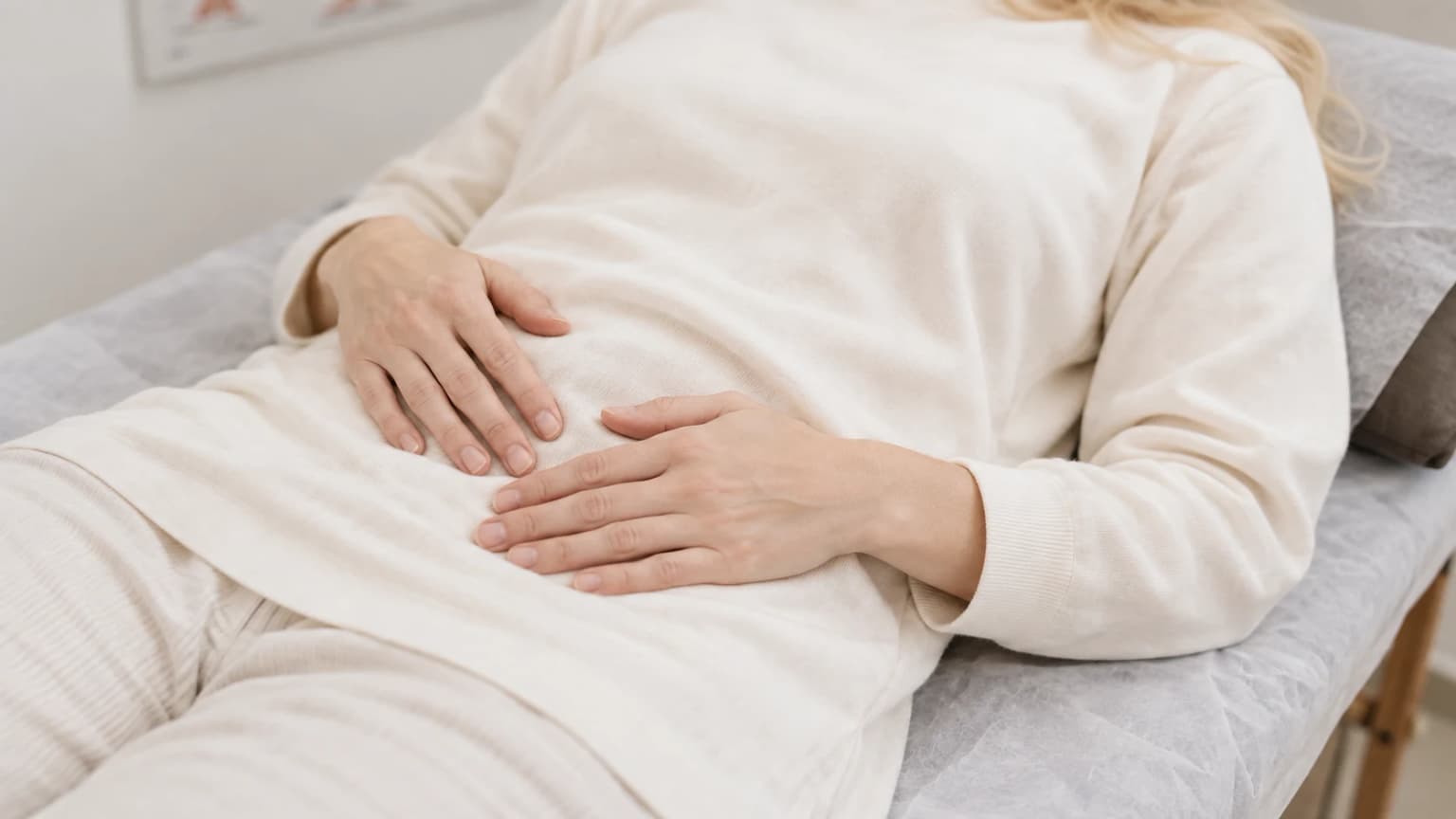
Some people know exactly which meal will leave them uncomfortable. Others finish eating without knowing whether the next hour will bring bloating, pain, or a rush to the bathroom. When your stomach is unpredictable, an ordinary day starts to revolve around it: what to eat before a drive, where the nearest bathroom is, and whether to skip going out again tonight.
'Digestive problems' covers a great deal. Constipation, diarrhea, heartburn, bloating, and abdominal pain are not the same problem, and stress does not explain them all. Before trying complementary care, it matters to understand what is happening, whether there has been a medical assessment, and what changes through the day or week.
What does Western medicine look for when digestion changes?
First, the pattern: where the pain is, whether it relates to meals or bowel movements, what has changed in stool frequency and appearance, and how long it has been going on. A doctor may also ask about medications, other conditions, family history, and signs that call for further testing.
In irritable bowel syndrome, for example, recurring abdominal pain and changes in bowel movements occur without a structural disease visible on routine tests. That does not mean the symptoms are 'all in your head'. The gut and brain communicate constantly, and changes in gut sensitivity and movement can cause pain and altered bowel habits even when tests are normal.
Bloating alone is not enough to diagnose IBS. Heartburn and changes in bowel habits can also have different explanations, so it matters to know what has been checked and what still needs investigating.
How does Chinese medicine look at the stomach?
I ask when the bloating starts, whether meals leave a heavy feeling, what bowel movements are like, and how appetite and sleep have been. Details such as feeling cold in the abdomen or being thirsty matter too. Some patients notice their digestion changes during stressful periods; others see no clear connection.
The traditional terms 'Spleen' and 'Stomach' describe a way of thinking about processing food, energy, and fluids. A 'weak Spleen' in Chinese medicine is not necessarily a disease of the anatomical spleen, and 'Stomach heat' is not a diagnosis of inflammation. This language helps guide individual treatment; it does not replace a gastroenterologist or tests when they are needed.
Bloating after a large, hurried meal may need a different approach from bloating with pain and altered bowel habits during stressful periods. Those details help us find where to begin.
Can acupuncture or herbs help?
Acupuncture may help some people with IBS as part of care aimed at easing abdominal pain and discomfort. Recent studies have found encouraging results, including comparisons with sham acupuncture, although findings vary and the quality of the evidence remains limited. In the clinic I follow the practical changes: how the stomach feels, what happens with bowel movements, and whether getting through the day becomes easier.
For suitable patients, I also use an herbal formula based on their symptoms and what we discussed in the consultation. First I review medications, supplements, and existing conditions, then follow how they respond. Medical or dietary support can be included when needed.
A case from the clinic
A 32-year-old man came in with a very clear link between stress and his digestive symptoms. Whenever he felt under pressure, he found himself going to the bathroom again and again. Bloating and frequent bowel movements made things harder at the very moments he needed to focus on something else. He felt that all his stress settled in his stomach.
We combined acupuncture with an individually tailored herbal formula. Over time he described less bloating and fewer trips to the bathroom. His stomach felt calmer. He now uses the formula occasionally and says he feels much better.
What is worth noticing around meals?
For a week or two, jot down when you ate, when symptoms appeared, and what happened with bowel movements. You can add whether you ate in a hurry or had a particularly stressful day. Brief notes are enough to start spotting patterns.
Try more regular meal times and give yourself time to sit down and eat. Notice how much you drink and move during the day too. If a particular food keeps appearing alongside symptoms, bring your notes to a doctor or dietitian. Check the connection before cutting out whole food groups.
When should you see a doctor?
Blood in the stool or black stools, unexplained weight loss, anemia, severe or worsening abdominal pain, prolonged vomiting, fever, or a new and persistent change in bowel habits calls for medical assessment. Exceptionally severe pain, dehydration, or marked weakness needs urgent attention.
Even without an urgent sign, symptoms that keep returning deserve investigation. Bring details of what is bothering you and any test results you already have. That information helps both the medical assessment and decisions about treatment at the clinic.
Frequently Asked Questions
- Can stress cause stomach pain?
- Stress can affect gut sensitivity and function, but it is not the automatic explanation for every pain. If symptoms are new, persistent, or worsening, get assessed.
- I have IBS. Will acupuncture help?
- It may help some patients. Recent research is encouraging, though responses vary and the evidence remains limited. I follow pain, bloating, and bowel habits, adapting the plan alongside medical and dietary care as needed.
- Should I stop eating gluten or dairy on my own?
- Not as a blanket step. Avoidance can help in some situations, but it can also complicate testing and restrict the diet without good reason. Look for a pattern and speak with a doctor or dietitian before a major change.
Further reading
- Definition & Facts for Irritable Bowel Syndrome, NIDDK (NIH)
- Diagnosis of Irritable Bowel Syndrome, NIDDK (NIH)
- Irritable Bowel Syndrome and Complementary Health Approaches: What the Science Says, NCCIH (NIH)
- Yang JW et al., Efficacy of ACupuncTure in Irritable bOwel syNdrome (ACTION): A Multicenter Randomized Controlled Trial, Gastroenterology, 2025
- Zheng HZ et al., Acupuncture vs Sham Non-Acupoint Acupuncture for Irritable Bowel Syndrome: A Systematic Review and Meta-Analysis, Gastroenterology, 2026
Related treatments
More articles
Stress: what happens to the body when the pressure never lets up?
Why the body stays on alert after the day ends, how Chinese medicine describes stress, and what to do when sleep, muscles, and digestion are affected.
August 1, 2026 · 4 min read

A natural approach to insomnia: what Chinese medicine can really offer
Why sleep breaks down and what really helps: the Chinese medicine view of insomnia and the small habits that bring back quiet nights.
June 15, 2026 · 5 min read